Adhesive Dispensing Valves: Complete Guide to Types, Selection, and Maintenance

Adhesive Dispensing Valves: Complete Guide to Types, Selection, and Maintenance

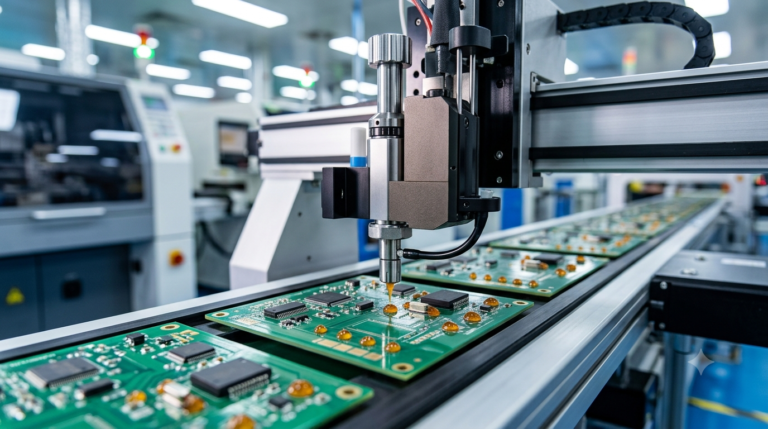
In automated manufacturing, choosing the right adhesive dispensing valve is critical for achieving accurate fluid control, reducing waste, minimizing downtime, and improving production efficiency. Whether dispensing epoxy, silicone, UV adhesive, solder paste, thermal interface materials (TIM), underfill, or conductive adhesives, each valve technology offers unique advantages. This guide explains the most common types of dispensing…

OPTOCAST 3410 GEN2 Alternatives: Why Optical Engineers are Switching to Feedbond® EP-28-3410 Series

OPTOCAST 3410 GEN2 Alternatives: Why Optical Engineers are Switching to Feedbond® EP-28-3410 Series

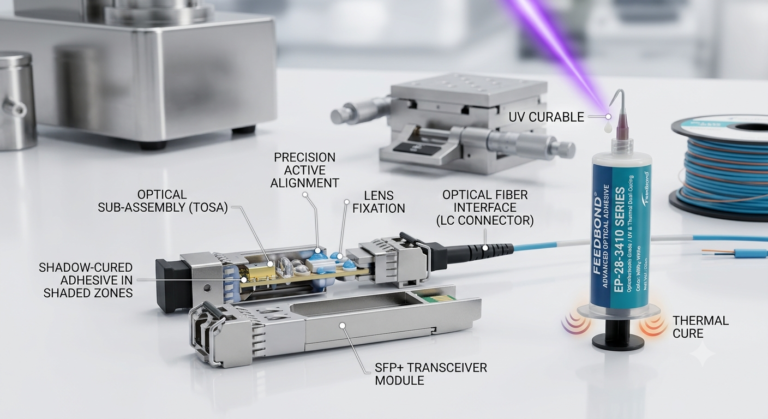
In high-speed fiber optic transceiver manufacturing (QSFP-DD, OSFP, 800G/1.6T), active alignment precision is everything. For years, OPTOCAST 3410 Gen2 has been an industry staple for precision lens coupling and fiber attachment. However, modern production floors require wider curing windows, better shrinkage control, and reliable supply chains. If your team is seeking a high-performance drop-in replacement,…

Flame-Retardant Epoxy Encapsulation System for Electrical & Industrial Applications

Flame-Retardant Epoxy Encapsulation System for Electrical & Industrial Applications

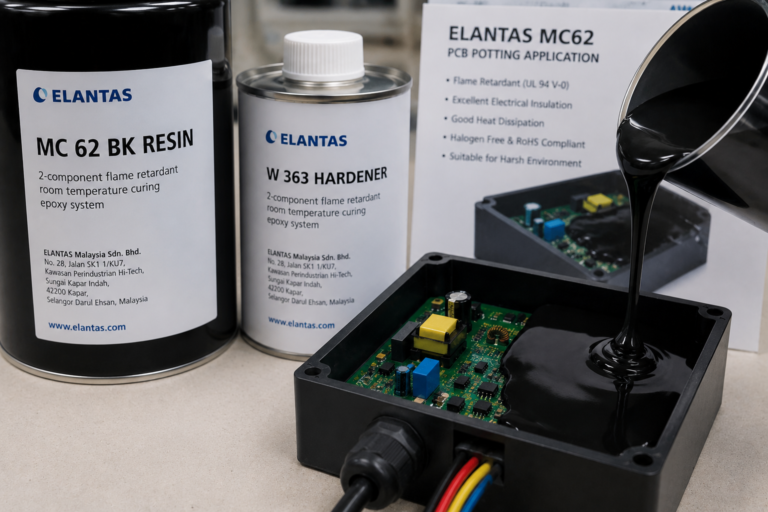
In modern electrical and electronic manufacturing, reliability under harsh environmental and thermal conditions is essential. The ELANTAS MC 62 BK Resin combined with W 363 Hardener is a high-performance two-component epoxy encapsulation system engineered to protect sensitive electrical assemblies from moisture, vibration, chemicals, and thermal stress. Designed for demanding industrial environments, this flame-retardant epoxy system…

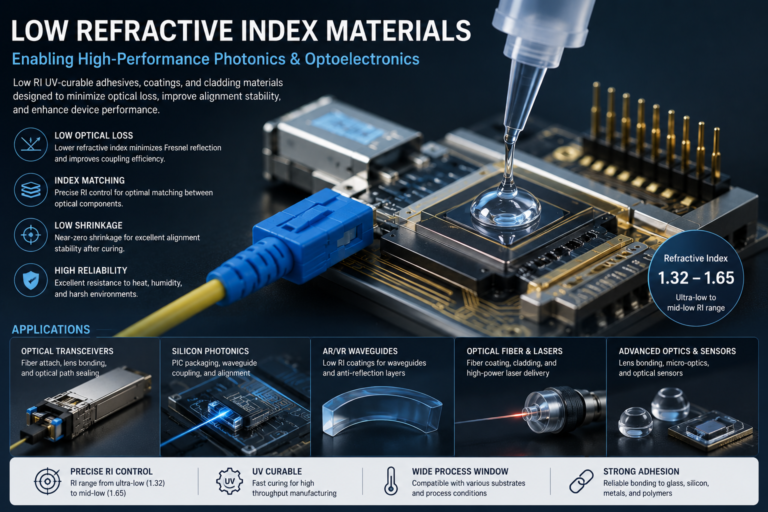
Low RI Materials: Enabling the Next Gen of Photonics & Optoelectronics

Low RI Materials: Enabling the Next Gen of Photonics & Optoelectronics

As photonics and optoelectronics continue evolving toward higher speed, smaller size, and lower optical loss, material engineering has become one of the most critical technologies in modern optical systems. Among these advanced materials, Low Refractive Index (Low RI) resins and adhesives are increasingly important for optical packaging, fiber optics, AR/VR displays, photonic integrated circuits (PIC),…

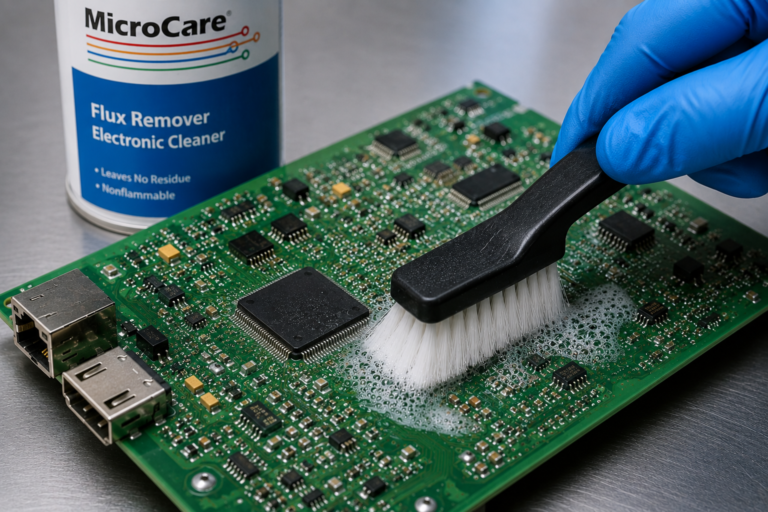
MicroCare Flux Removal in Electronic Assembly Cleaning

MicroCare Flux Removal in Electronic Assembly Cleaning

Introduction In modern electronics manufacturing, flux plays a critical role in ensuring reliable solder joints by removing oxides and improving wettability. However, after soldering, flux residues can remain on printed circuit boards (PCBs), creating potential risks to performance and long-term reliability. MicroCare specializes in advanced cleaning technologies designed to effectively remove these residues and ensure…

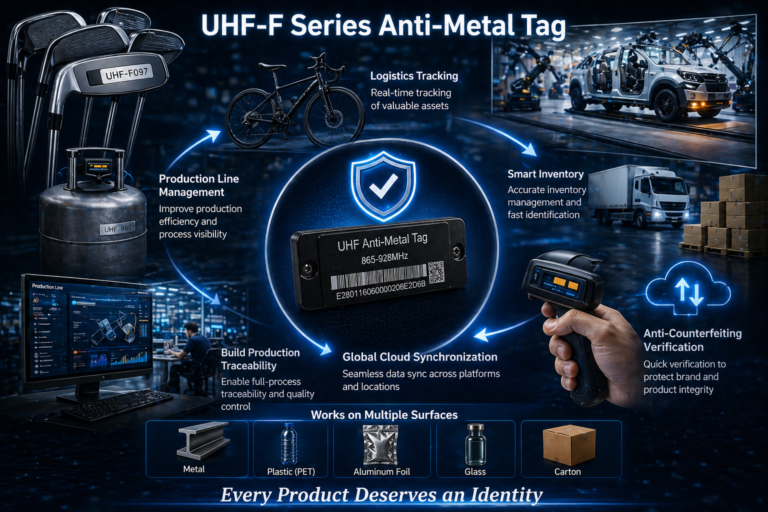
UHF Anti-Metal RFID Tag: Why It’s Needed

UHF Anti-Metal RFID Tag: Why It’s Needed

What is a UHF Anti-Metal Tag? A UHF anti-metal RFID tag is a specialized type of RFID tag designed to work reliably when attached directly to metal surfaces. It operates in the Ultra-High Frequency (UHF) range (typically 860–960 MHz), enabling long read distances, fast scanning, and bulk identification. Unlike standard RFID labels, anti-metal tags incorporate…

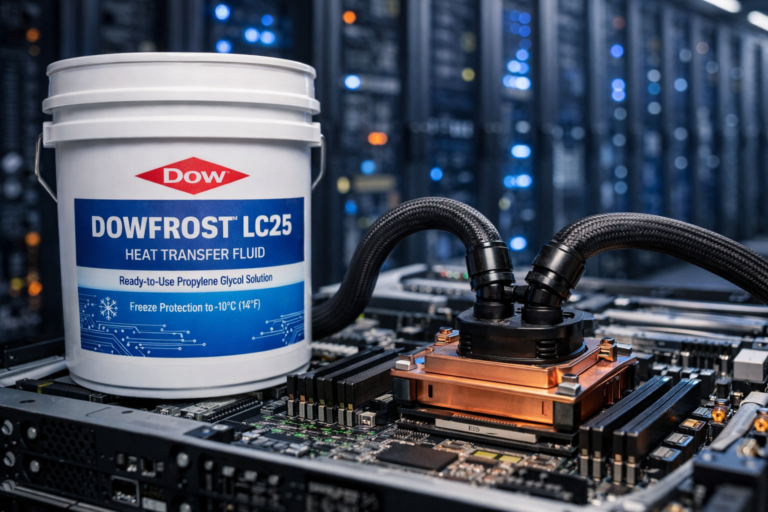
Why DOWFROST™ LC25 Is Better Than Diluted DOWFROST™ HTF for Data Center Cooling

Why DOWFROST™ LC25 Is Better Than Diluted DOWFROST™ HTF for Data Center Cooling

Introduction As modern data centers transition from air cooling toward direct-to-chip liquid cooling and high-density rack cooling, selecting the correct heat transfer fluid becomes critical. While both DOWFROST™ LC25 and DOWFROST™ HTF are based on propylene glycol technology, they are engineered for different applications. Many operators assume diluted HTF can replace LC25. However, this approach…

EMI Absorber: Enabling Reliable Wireless Performance

EMI Absorber: Enabling Reliable Wireless Performance

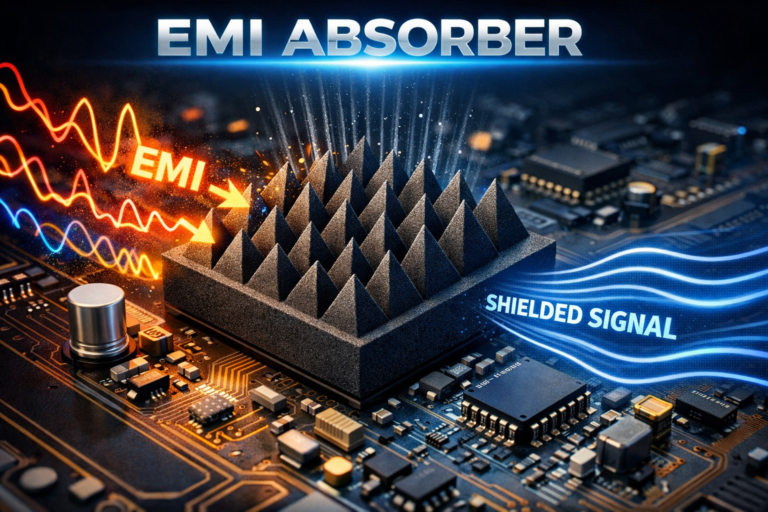
As modern electronic devices continue to become thinner, faster, and more integrated, electromagnetic interference (EMI) has become one of the most critical challenges affecting wireless communication performance, certification compliance, and product reliability. EMI absorbers provide an effective solution by suppressing unwanted electromagnetic noise while improving signal quality across multiple applications such as NFC, wireless charging,…

Introducing AP-2100-C1 as a EPO-TEK 353ND Replacement

Introducing AP-2100-C1 as a EPO-TEK 353ND Replacement

AP-2100-C1 (A/B) is a two-part epoxy adhesive system engineered for high-performance structural bonding in electronics and precision assemblies. It is suitable for customers seeking: ✅ Comparable high-temperature resistance✅ Reliable adhesion to common engineering substrates✅ Good mechanical strength after curing✅ Flexible processing window✅ Competitive material cost This makes it especially attractive for EMS manufacturers and optical…

Introduction UViTRON UV Curing Systems

Introduction UViTRON UV Curing Systems

UViTRON International is a leading manufacturer of UV curing equipment, offering spot curing systems, flood curing systems, and conveyor curing systems for industries such as electronics, medical devices, printing, and manufacturing. Spot Curing (e.g., SunSpot 2) UViTRON’s spot curing systems deliver intense, focused UV light for precise bonding and small-area adhesive curing. They provide high…