In high-precision assembly, medical device manufacturing, and electronics packaging, traditional UV-curable adhesives often face a major hurdle: the line-of-sight limitation. Standard UV adhesives require constant, direct light exposure to polymerize completely. This becomes an impossible requirement when bonding opaque substrates, joining hidden components, or working with complex 3D architectures. To solve this challenge, engineers are increasingly turning to Delay UV Cure Epoxy (frequently referred to as “dark cure” epoxy). Unlike conventional systems, these specialized cationic epoxies can…
In the electronics manufacturing industry, the push for smaller form factors, higher processing speeds, and dense power configurations has pushed traditional thermal management to its absolute limits. For decades, thermal grease (thermal paste) has been the go-to Thermal Interface Material (TIM). It is cheap, universally available, and delivers low thermal resistance during initial lab testing. However, as devices scale into modern high-power territory—such as electric vehicle (EV) controllers, AI edge computing, 5G telecom modules, and automotive radar—thermal…
In automated manufacturing, choosing the right adhesive dispensing valve is critical for achieving accurate fluid control, reducing waste, minimizing downtime, and improving production efficiency. Whether dispensing epoxy, silicone, UV adhesive, solder paste, thermal interface materials (TIM), underfill, or conductive adhesives, each valve technology offers unique advantages. This guide explains the most common types of dispensing valves, their working principles, ideal applications, and maintenance requirements. Types of Adhesive Dispensing Valves Diaphragm Valve A diaphragm valve uses a flexible…
In high-speed fiber optic transceiver manufacturing (QSFP-DD, OSFP, 800G/1.6T), active alignment precision is everything. For years, OPTOCAST 3410 Gen2 has been an industry staple for precision lens coupling and fiber attachment. However, modern production floors require wider curing windows, better shrinkage control, and reliable supply chains. If your team is seeking a high-performance drop-in replacement, Feedbond® EP-28-3410-50K and EP-28-3410-60M offer perfectly matched properties with critical engineering advantages. Key Benefits of Upgrading to Feedbond® 1. Flexible Curing Matrix…
In modern electrical and electronic manufacturing, reliability under harsh environmental and thermal conditions is essential. The ELANTAS MC 62 BK Resin combined with W 363 Hardener is a high-performance two-component epoxy encapsulation system engineered to protect sensitive electrical assemblies from moisture, vibration, chemicals, and thermal stress. Designed for demanding industrial environments, this flame-retardant epoxy system delivers strong electrical insulation, excellent mechanical durability, and long-term stability for applications such as transformers, igniters, submersible pumps, and EMI/noise filters. Product…
As photonics and optoelectronics continue evolving toward higher speed, smaller size, and lower optical loss, material engineering has become one of the most critical technologies in modern optical systems. Among these advanced materials, Low Refractive Index (Low RI) resins and adhesives are increasingly important for optical packaging, fiber optics, AR/VR displays, photonic integrated circuits (PIC), and nano-optics. GlueRu is one of the specialized companies focusing on ultra-low refractive index UV-curable materials for high-end photonic applications. The company…
Introduction In modern electronics manufacturing, flux plays a critical role in ensuring reliable solder joints by removing oxides and improving wettability. However, after soldering, flux residues can remain on printed circuit boards (PCBs), creating potential risks to performance and long-term reliability. MicroCare specializes in advanced cleaning technologies designed to effectively remove these residues and ensure high-quality electronic assemblies. Why Flux Removal is Essential Historically, “no-clean” fluxes were developed to eliminate the cleaning step. However, as PCB designs…
What is a UHF Anti-Metal Tag? A UHF anti-metal RFID tag is a specialized type of RFID tag designed to work reliably when attached directly to metal surfaces. It operates in the Ultra-High Frequency (UHF) range (typically 860–960 MHz), enabling long read distances, fast scanning, and bulk identification. Unlike standard RFID labels, anti-metal tags incorporate special materials and antenna designs that allow them to function in environments where metal would normally disrupt RFID performance. Why Do We…
Introduction As modern data centers transition from air cooling toward direct-to-chip liquid cooling and high-density rack cooling, selecting the correct heat transfer fluid becomes critical. While both DOWFROST™ LC25 and DOWFROST™ HTF are based on propylene glycol technology, they are engineered for different applications. Many operators assume diluted HTF can replace LC25. However, this approach introduces risks in corrosion protection, fluid stability, and long-term system reliability—especially in mission-critical environments such as data centers. This article explains the…
As modern electronic devices continue to become thinner, faster, and more integrated, electromagnetic interference (EMI) has become one of the most critical challenges affecting wireless communication performance, certification compliance, and product reliability. EMI absorbers provide an effective solution by suppressing unwanted electromagnetic noise while improving signal quality across multiple applications such as NFC, wireless charging, GPS modules, payment terminals, and industrial computing systems. This article highlights how EMI absorber technology helps manufacturers overcome design limitations and accelerate…
AP-2100-C1 (A/B) is a two-part epoxy adhesive system engineered for high-performance structural bonding in electronics and precision assemblies. It is suitable for customers seeking: ✅ Comparable high-temperature resistance✅ Reliable adhesion to common engineering substrates✅ Good mechanical strength after curing✅ Flexible processing window✅ Competitive material cost This makes it especially attractive for EMS manufacturers and optical module assembly environments. Performance Comparison Summary Property EPO-TEK 353ND AP-2100-C1 (A/B) Type 2-part epoxy 2-part epoxy Application Optical / electronics bonding Optical/…
UViTRON International is a leading manufacturer of UV curing equipment, offering spot curing systems, flood curing systems, and conveyor curing systems for industries such as electronics, medical devices, printing, and manufacturing. Spot Curing (e.g., SunSpot 2) UViTRON’s spot curing systems deliver intense, focused UV light for precise bonding and small-area adhesive curing. They provide high intensity, excellent repeatability, and compact design—ideal for delicate assemblies. Flood Curing (e.g., NovaRay, IntelliRay) Their flood curing lamps provide wide, uniform UV…
In today’s complex electronics manufacturing environment, multiple reflow cycles are increasingly common—especially in double-sided PCB assembly and modules with mixed-technology components. However, this introduces serious challenges: solder remelting, solder bridging, and component misalignment during secondary or tertiary reflows. One of the most effective solutions is the use of high-temperature Pb-free solder pastes. The Challenge: Remelting and Bridging in Multi-Reflow Assembly Modern PCBs often require more than one reflow cycle. For example: In these scenarios, previously soldered joints…
In our modern world, electronic devices are everywhere—from smartphones and laptops to medical instruments and aerospace systems. As devices multiply and grow more complex, electromagnetic interference (EMI) has become a major concern. To combat this, one practical and effective solution is conductive paint, specially formulated for EMI shielding. What Is Conductive Paint for EMI Shielding? Conductive paint is a liquid coating that contains conductive particles, such as nickel, silver, graphite, or copper, suspended in a binder. When…
Conformal coatings are critical in protecting electronics from moisture, chemicals, dust, and temperature extremes. However, issues during the application, drying, or curing process can lead to defects that compromise performance. Here’s a comprehensive guide to troubleshooting common conformal coating problems — and how to solve them. Symptoms: Coating flakes, lifts, or peels from PCB surface. Root Causes: -Contaminated substrate (flux residues, oils, fingerprints). -Improper surface energy or roughness. -Application over uncured materials or moisture-laden surfaces. Solutions: -Clean…
A UV radiometer is an essential tool used to measure the intensity of ultraviolet (UV) radiation, particularly in applications like: In these applications, precise UV intensity measurement ensures: Without a UV radiometer, it’s nearly impossible to verify whether the UV output is within the required parameters for consistent and reliable results. Why Calibration is Required? Calibration of a UV radiometer is critical for maintaining accurate and reliable measurements over time. Here’s why: Looking for a Reliable UV…
In the world of precision curing technologies, the CCS 8332C UV-LED Spot Curing System stands out as a versatile, high-performance solution that leverages LED technology to deliver high power, exceptional longevity, and energy efficiency. Designed to meet the demands of industries requiring fast, reliable, and precise UV curing, the 8332C offers superior performance at a reduced operating cost, making it an essential tool in advanced manufacturing processes. Key Features of the 8332C UV-LED Spot Curing System Advantages…
In the world of optics and photonics, precision is key. Whether you’re working with lasers, lenses, or fiber optics, active alignment is a crucial process that demands adhesives that can meet the highest standards of accuracy, strength, and reliability. This is where Flashbond UV-3720 comes in, offering an advanced solution specifically designed for active alignment applications. What is Flashbond UV-3720? Flashbond UV-3720 is a high-performance, UV-curable adhesive formulated to provide optimal performance in active alignment tasks, commonly…
UV Delay Curing Adhesives have revolutionized industries that require strong, efficient bonding solutions. These adhesives offer several advantages over traditional bonding methods, particularly in applications where precision and time management are crucial. In this article, we will explore the various benefits of UV Delay Curing Adhesives, from increased production efficiency to enhanced bond strength and flexibility in usage. 1. Enhanced Control Over Curing Process One of the most significant benefits of UV Delay Curing Adhesives is the…
One of the standout features of MXBON Cyanoacrylate Adhesive (CA)is its exceptional ability to bond plastics and rubber, two materials that can often be tricky to glue together due to their low surface energy and varying chemical properties. MXBON Cyanoacrylate offers a reliable, fast, and durable bonding solution for these materials, making it a go-to adhesive for numerous applications in both industrial and consumer settings. Here’s a closer look at how MXBON Cyanoacrylate performs in plastic and…
In today’s data-driven world, the demand for more powerful and efficient computing systems continues to grow. Whether it’s for high-performance computing (HPC), data centers, or personal computing setups, managing heat dissipation efficiently has become a significant challenge. Traditional air cooling systems have long been the go-to solution, but with increasing power densities and thermal loads, air cooling is beginning to show its limitations. As a result, more advanced cooling techniques, such as liquid cooling, are gaining prominence….
As data centers, high-performance computing (HPC) systems, and advanced electronics continue to grow in power and complexity, managing heat dissipation efficiently has become one of the biggest challenges. Traditional air cooling systems, though widely used, are increasingly being replaced by more efficient solutions such as direct-to-chip and immersion cooling systems. These cooling techniques utilize specialized heat transfer fluids (HTFs) to manage heat removal. However, each cooling method requires different types of fluids that possess unique characteristics tailored…
Parylene coating has long been the gold standard for providing a protective barrier in various industries, from electronics to medical devices. However, as technology advances, so does the need for more efficient, sustainable, and versatile solutions. Enter the SC-7150, a revolutionary product designed to replace traditional parylene coatings, offering enhanced performance and significant benefits across multiple applications. The Challenge of Traditional Parylene Coatings While parylene coatings are renowned for their excellent barrier properties and conformal coverage, they…
In the realm of advanced materials, Sekisui Polymatech stands out with its innovative thermal management solutions. Specializing in high-performance thermal materials, the company addresses critical needs across various industries, from electronics to automotive. This article delves into the key attributes and applications of Sekisui Polymatech’s thermal materials, highlighting their impact on modern technology and engineering. Understanding Thermal Management Thermal management is essential for the reliable operation and longevity of electronic devices and other high-performance systems. Effective thermal…
Silicone has become an indispensable material in the electronics industry, particularly for securing and protecting components on printed circuit boards (PCBs). Its unique properties make it ideal for various applications where reliability, flexibility, and durability are paramount. Let’s explore the significant role silicone plays in PCB component holding and why it is favored by engineers and manufacturers alike. 1. Adhesion and Bonding Strength: Silicone adhesives and sealants are prized for their excellent adhesion properties, forming strong bonds…
Conformal coating plays a crucial role in protecting electronic components from environmental factors such as moisture, dust, chemicals, and temperature fluctuations. Selecting the right coating material is paramount to ensure reliability and longevity of electronics. One standout choice in the realm of conformal coatings is Peters ELPEGUARD. Here’s why it stands out as a preferred option: 1. Proven Reliability: Peters ELPEGUARD has built a reputation for reliability and consistency in conformal coatings. It has been extensively tested…
Revolutionizing Electronics: AI Technology Inc.’s Breakthrough in Die Attach Film In the rapidly evolving world of electronics, the demand for efficient, reliable, and high-performance components is ever-increasing. One crucial element that significantly impacts the performance and durability of electronic devices is die attach film (DAF). AI Technology Inc., a pioneer in adhesive technologies, is at the forefront of this revolution, offering cutting-edge solutions that redefine industry standards. The Importance of Die Attach Film Die attach film plays…
In the world of electronics manufacturing, protecting delicate components from environmental factors is crucial. HumiSeal, a trusted name in conformal coatings, offers the UV50LV series, a cutting-edge solution designed to safeguard electronics from moisture, dust, and other contaminants. Let’s explore the features and benefits of HumiSeal UV50LV and how it can enhance the reliability and longevity of electronic devices. Superior Protection Against Environmental Hazards HumiSeal UV50LV provides superior protection against a wide range of environmental hazards. Its…
Conformal coating is a crucial process in the electronics industry, providing a protective layer that enhances the reliability and longevity of electronic components. This comprehensive guide explores the various types of conformal coatings, their application techniques, and the benefits they offer. Types of Conformal Coatings: Application Techniques: Benefits of Conformal Coating: Conclusion:Conformal coating plays a vital role in ensuring the reliability and longevity of electronic components. By understanding the different types of coatings, application techniques, and the…
In the world of industrial manufacturing, precision and reliability are paramount. Whether you are working with adhesives, paints, or other materials, achieving the perfect blend is essential. This is where 2K mixing machines come into play. These machines are designed to precisely mix two-component (2K) materials, ensuring a consistent and high-quality end product. In this article, we will delve into the world of 2K mixing machines, exploring their functionality, applications, benefits, and more. What are 2K Mixing…
As electric vehicles (EVs) continue to gain popularity, the demand for efficient and reliable charging solutions is on the rise. One critical aspect of EV charging units and batteries is thermal management. Effective thermal management not only ensures optimal performance but also enhances safety and longevity. Thermal conductive materials play a crucial role in achieving these objectives, by efficiently dissipating heat and maintaining the temperature within safe limits. This article explores the importance of thermal conductive materials…
Die attach materials are critical components in semiconductor packaging, serving as the interface between the semiconductor die and the package substrate. These materials play a crucial role in ensuring the reliability, thermal performance, and electrical connectivity of the packaged semiconductor device. This article explores the importance of die attach materials in semiconductor packaging and highlights some key considerations in their selection and application. Importance of Die Attach Materials Die attach materials serve several important functions in semiconductor…
Fiber optic technology has revolutionized communication systems, enabling high-speed data transmission over long distances. Adhesives play a crucial role in fiber optic assembly, providing mechanical strength, protection, and alignment precision. This article explores the importance of adhesives in fiber optic assembly and highlights key considerations in their selection and application. Importance of Adhesive in Fiber Optic Assembly Adhesives serve several critical functions in fiber optic assembly: Key Considerations in Adhesive Selection Several factors should be considered when…
Low-pressure molding (LPM) is a versatile and efficient process used in the manufacturing industry for encapsulating and protecting electronic components, sensors, and other delicate parts. This article explores the basics of low-pressure molding, its advantages, applications, and key considerations. What is Low-Pressure Molding? Low-pressure molding is a process that uses thermoplastic materials to encapsulate parts at low pressure and temperature. The process involves placing the part in a mold cavity, injecting molten thermoplastic material around the part,…

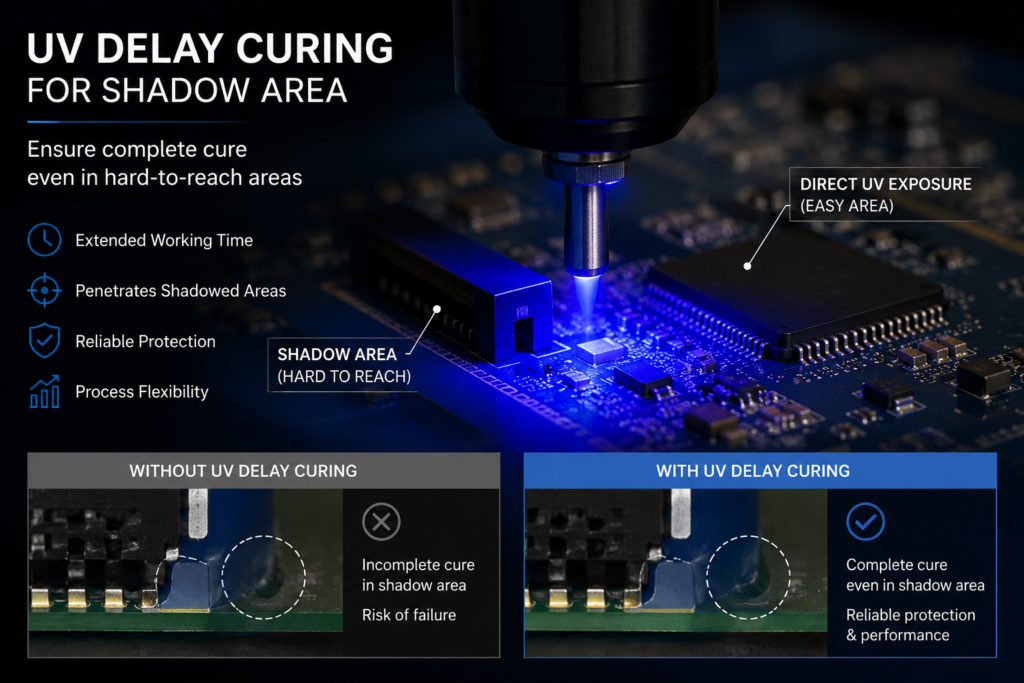 In high-precision assembly, medical device manufacturing, and electronics packaging, traditional UV-curable adhesives often face a major hurdle: the line-of-sight limitation. Standard UV adhesives require constant, direct light exposure to polymerize completely. This becomes an impossible requirement when bonding opaque substrates, joining hidden components, or working with complex 3D architectures. To solve this challenge, engineers are increasingly turning to Delay UV Cure Epoxy (frequently referred to as “dark cure” epoxy). Unlike conventional systems, these specialized cationic epoxies can…
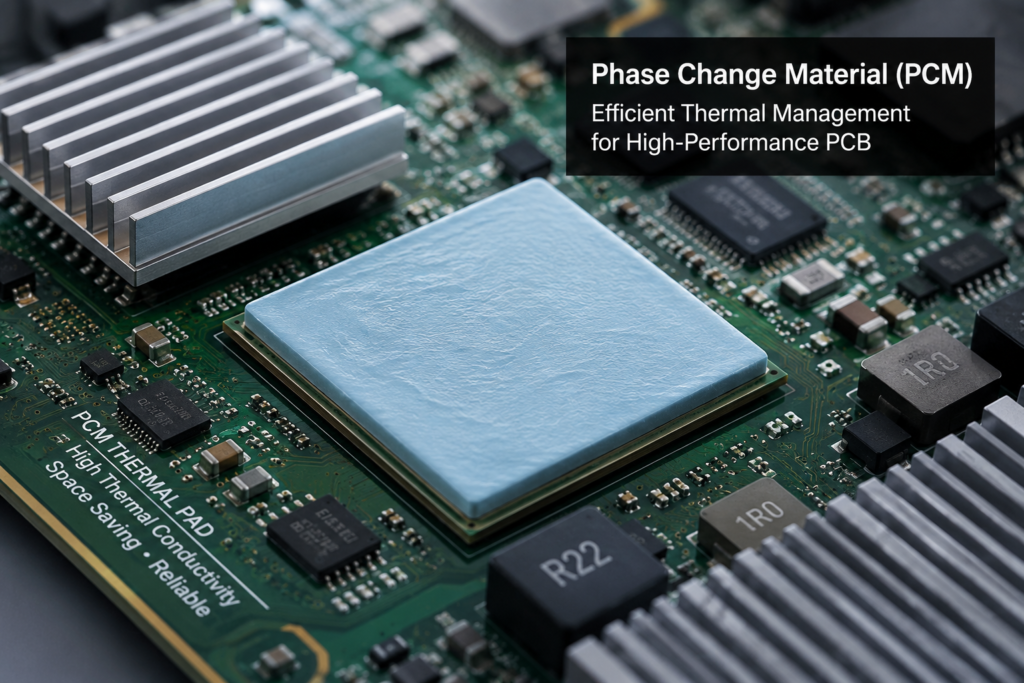 In the electronics manufacturing industry, the push for smaller form factors, higher processing speeds, and dense power configurations has pushed traditional thermal management to its absolute limits. For decades, thermal grease (thermal paste) has been the go-to Thermal Interface Material (TIM). It is cheap, universally available, and delivers low thermal resistance during initial lab testing. However, as devices scale into modern high-power territory—such as electric vehicle (EV) controllers, AI edge computing, 5G telecom modules, and automotive radar—thermal…
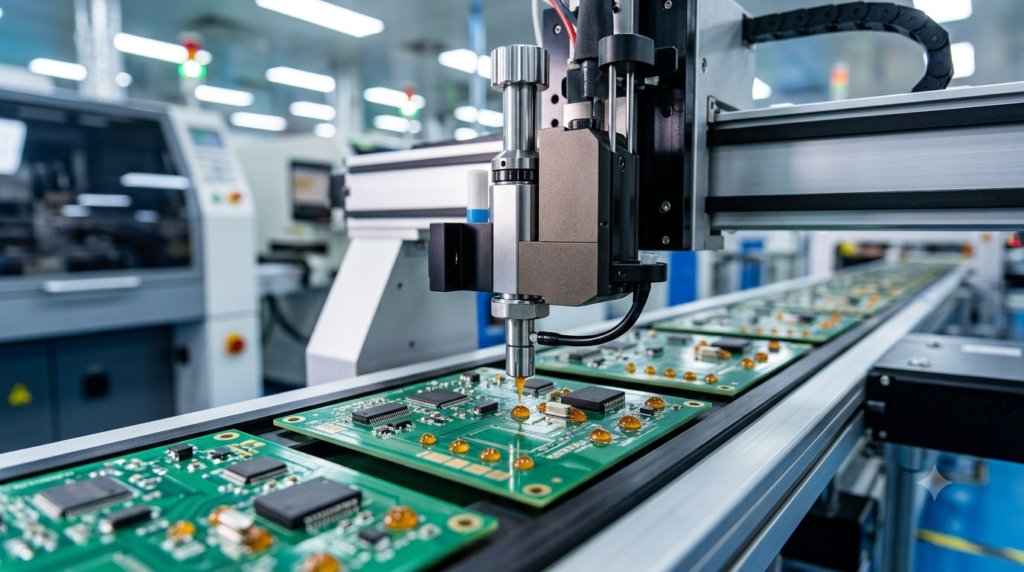 In automated manufacturing, choosing the right adhesive dispensing valve is critical for achieving accurate fluid control, reducing waste, minimizing downtime, and improving production efficiency. Whether dispensing epoxy, silicone, UV adhesive, solder paste, thermal interface materials (TIM), underfill, or conductive adhesives, each valve technology offers unique advantages. This guide explains the most common types of dispensing valves, their working principles, ideal applications, and maintenance requirements. Types of Adhesive Dispensing Valves Diaphragm Valve A diaphragm valve uses a flexible…
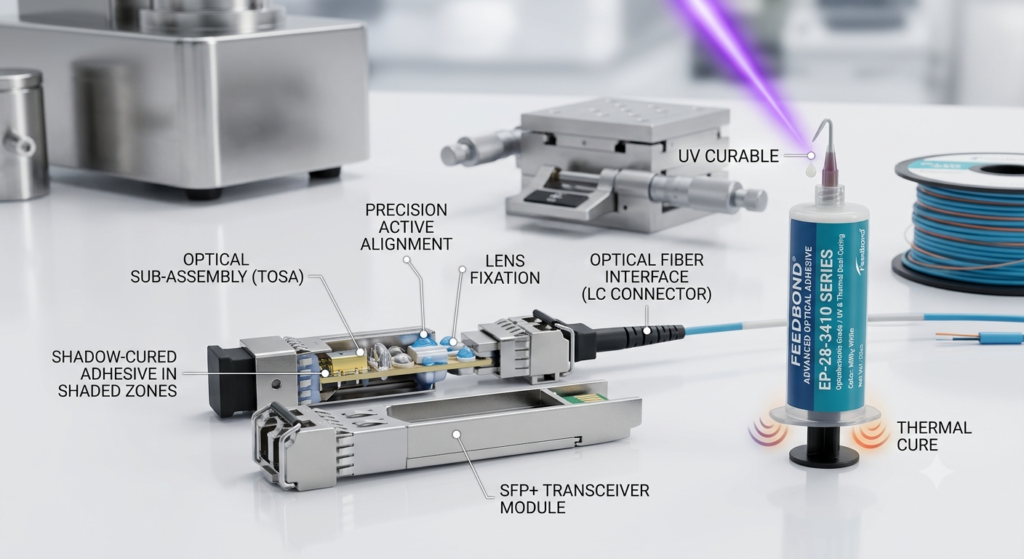 In high-speed fiber optic transceiver manufacturing (QSFP-DD, OSFP, 800G/1.6T), active alignment precision is everything. For years, OPTOCAST 3410 Gen2 has been an industry staple for precision lens coupling and fiber attachment. However, modern production floors require wider curing windows, better shrinkage control, and reliable supply chains. If your team is seeking a high-performance drop-in replacement, Feedbond® EP-28-3410-50K and EP-28-3410-60M offer perfectly matched properties with critical engineering advantages. Key Benefits of Upgrading to Feedbond® 1. Flexible Curing Matrix…
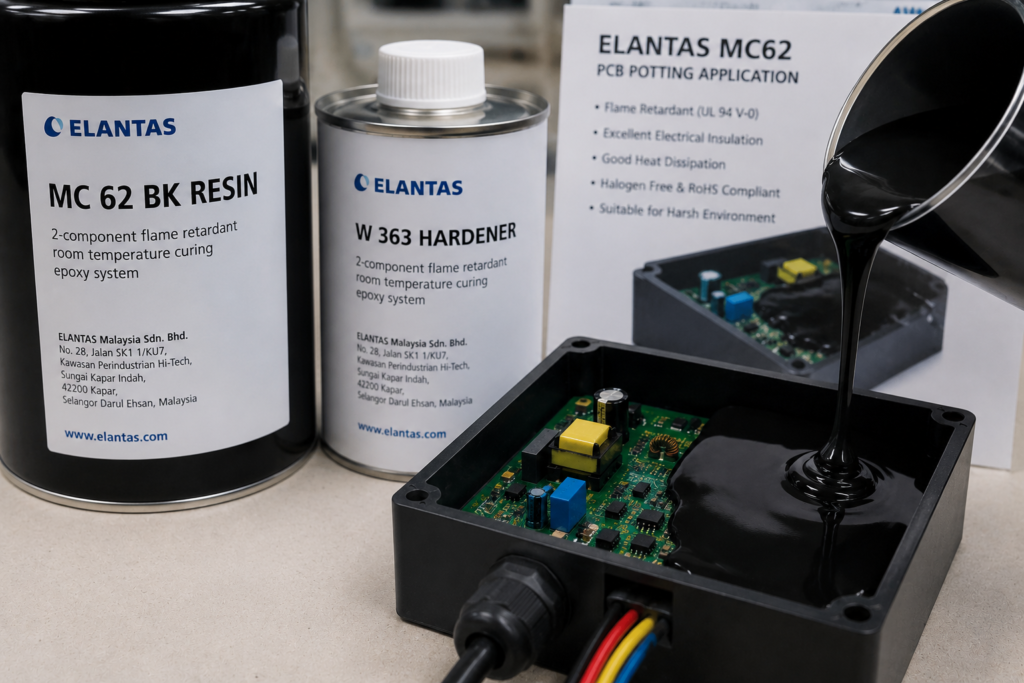 In modern electrical and electronic manufacturing, reliability under harsh environmental and thermal conditions is essential. The ELANTAS MC 62 BK Resin combined with W 363 Hardener is a high-performance two-component epoxy encapsulation system engineered to protect sensitive electrical assemblies from moisture, vibration, chemicals, and thermal stress. Designed for demanding industrial environments, this flame-retardant epoxy system delivers strong electrical insulation, excellent mechanical durability, and long-term stability for applications such as transformers, igniters, submersible pumps, and EMI/noise filters. Product…
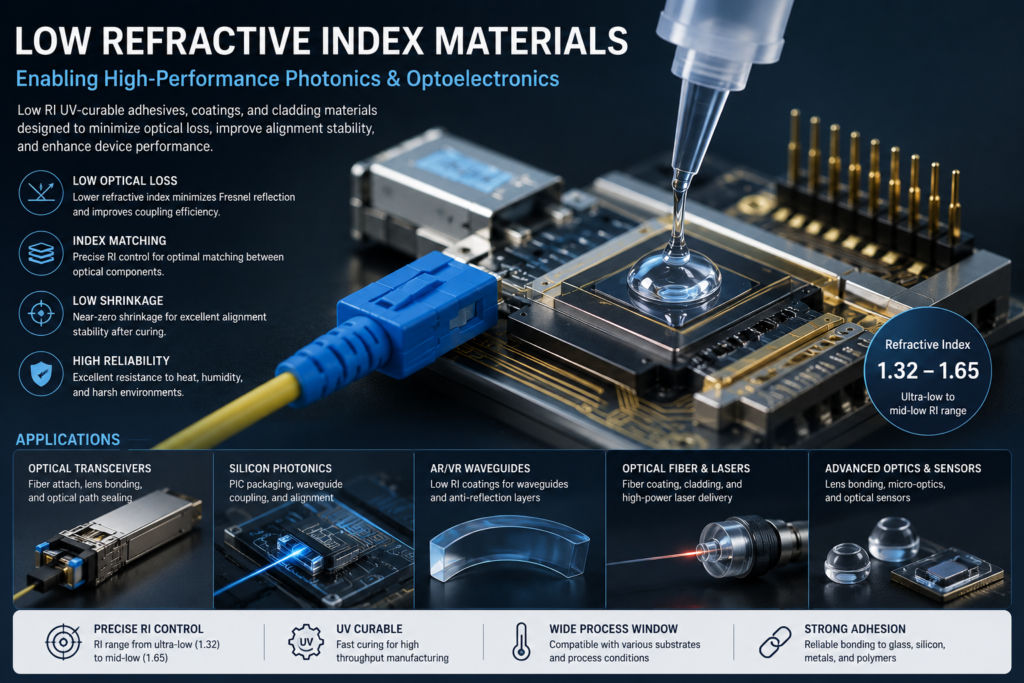 As photonics and optoelectronics continue evolving toward higher speed, smaller size, and lower optical loss, material engineering has become one of the most critical technologies in modern optical systems. Among these advanced materials, Low Refractive Index (Low RI) resins and adhesives are increasingly important for optical packaging, fiber optics, AR/VR displays, photonic integrated circuits (PIC), and nano-optics. GlueRu is one of the specialized companies focusing on ultra-low refractive index UV-curable materials for high-end photonic applications. The company…
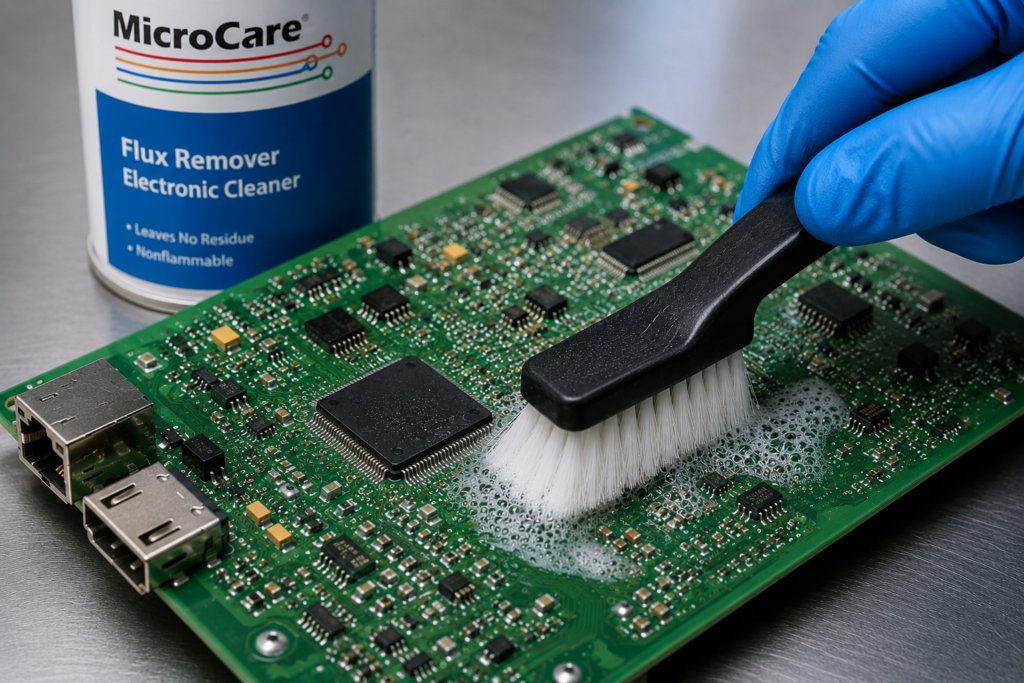 Introduction In modern electronics manufacturing, flux plays a critical role in ensuring reliable solder joints by removing oxides and improving wettability. However, after soldering, flux residues can remain on printed circuit boards (PCBs), creating potential risks to performance and long-term reliability. MicroCare specializes in advanced cleaning technologies designed to effectively remove these residues and ensure high-quality electronic assemblies. Why Flux Removal is Essential Historically, “no-clean” fluxes were developed to eliminate the cleaning step. However, as PCB designs…
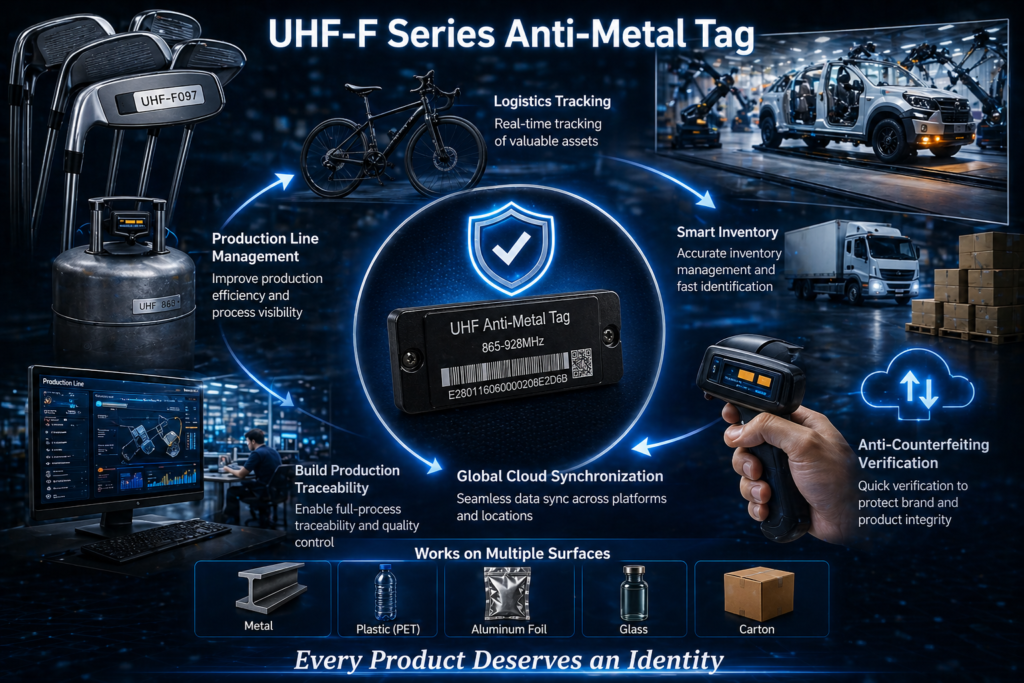 What is a UHF Anti-Metal Tag? A UHF anti-metal RFID tag is a specialized type of RFID tag designed to work reliably when attached directly to metal surfaces. It operates in the Ultra-High Frequency (UHF) range (typically 860–960 MHz), enabling long read distances, fast scanning, and bulk identification. Unlike standard RFID labels, anti-metal tags incorporate special materials and antenna designs that allow them to function in environments where metal would normally disrupt RFID performance. Why Do We…
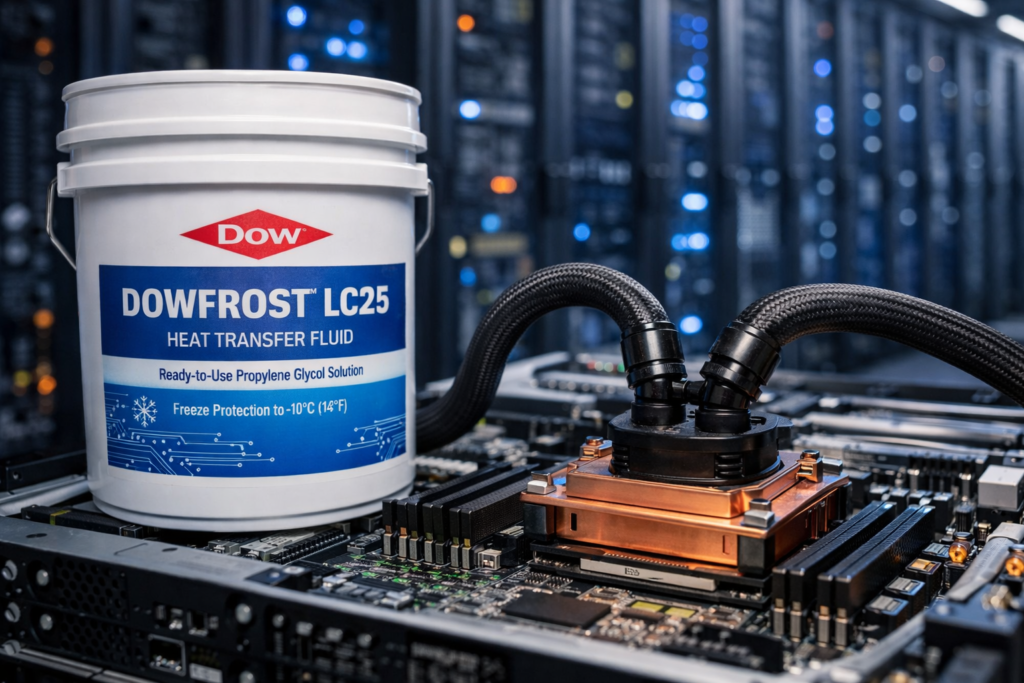 Introduction As modern data centers transition from air cooling toward direct-to-chip liquid cooling and high-density rack cooling, selecting the correct heat transfer fluid becomes critical. While both DOWFROST™ LC25 and DOWFROST™ HTF are based on propylene glycol technology, they are engineered for different applications. Many operators assume diluted HTF can replace LC25. However, this approach introduces risks in corrosion protection, fluid stability, and long-term system reliability—especially in mission-critical environments such as data centers. This article explains the…
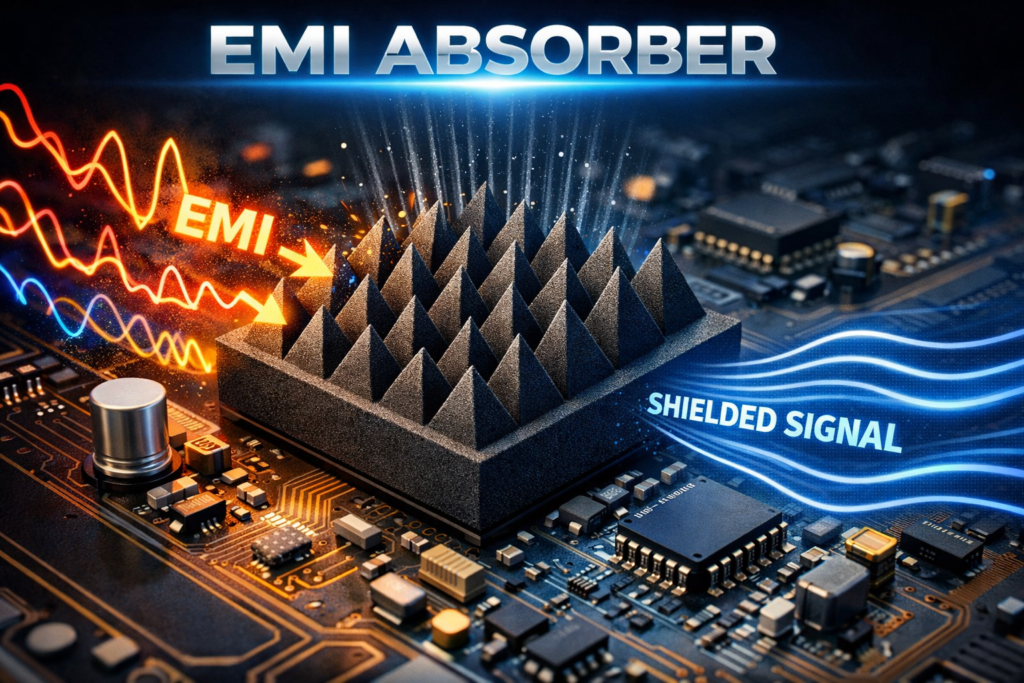 As modern electronic devices continue to become thinner, faster, and more integrated, electromagnetic interference (EMI) has become one of the most critical challenges affecting wireless communication performance, certification compliance, and product reliability. EMI absorbers provide an effective solution by suppressing unwanted electromagnetic noise while improving signal quality across multiple applications such as NFC, wireless charging, GPS modules, payment terminals, and industrial computing systems. This article highlights how EMI absorber technology helps manufacturers overcome design limitations and accelerate…
 AP-2100-C1 (A/B) is a two-part epoxy adhesive system engineered for high-performance structural bonding in electronics and precision assemblies. It is suitable for customers seeking: ✅ Comparable high-temperature resistance✅ Reliable adhesion to common engineering substrates✅ Good mechanical strength after curing✅ Flexible processing window✅ Competitive material cost This makes it especially attractive for EMS manufacturers and optical module assembly environments. Performance Comparison Summary Property EPO-TEK 353ND AP-2100-C1 (A/B) Type 2-part epoxy 2-part epoxy Application Optical / electronics bonding Optical/…
 UViTRON International is a leading manufacturer of UV curing equipment, offering spot curing systems, flood curing systems, and conveyor curing systems for industries such as electronics, medical devices, printing, and manufacturing. Spot Curing (e.g., SunSpot 2) UViTRON’s spot curing systems deliver intense, focused UV light for precise bonding and small-area adhesive curing. They provide high intensity, excellent repeatability, and compact design—ideal for delicate assemblies. Flood Curing (e.g., NovaRay, IntelliRay) Their flood curing lamps provide wide, uniform UV…
 In today’s complex electronics manufacturing environment, multiple reflow cycles are increasingly common—especially in double-sided PCB assembly and modules with mixed-technology components. However, this introduces serious challenges: solder remelting, solder bridging, and component misalignment during secondary or tertiary reflows. One of the most effective solutions is the use of high-temperature Pb-free solder pastes. The Challenge: Remelting and Bridging in Multi-Reflow Assembly Modern PCBs often require more than one reflow cycle. For example: In these scenarios, previously soldered joints…
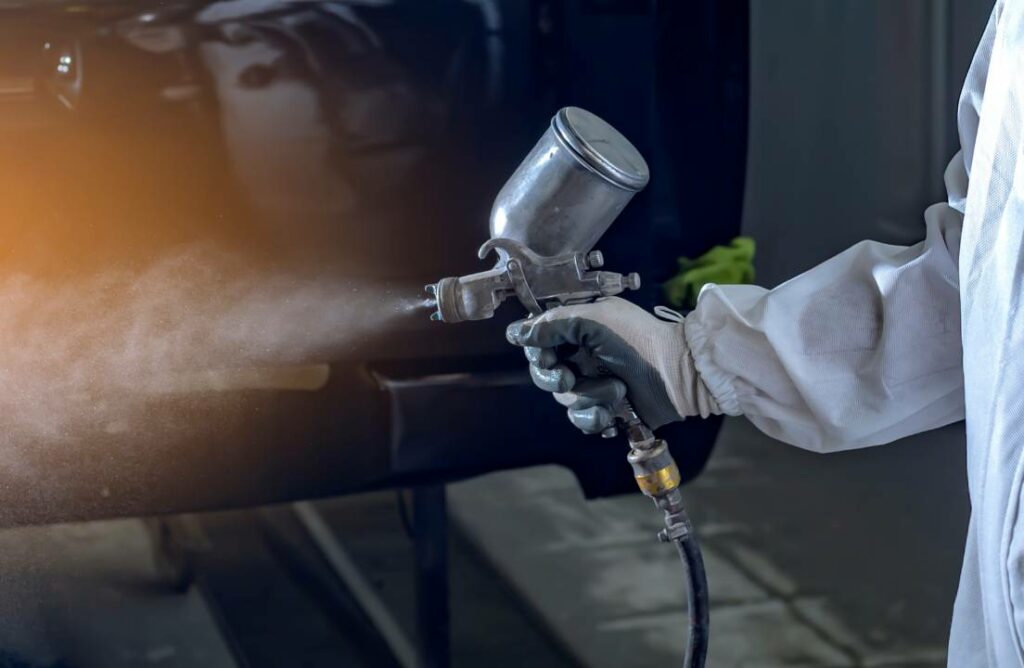 In our modern world, electronic devices are everywhere—from smartphones and laptops to medical instruments and aerospace systems. As devices multiply and grow more complex, electromagnetic interference (EMI) has become a major concern. To combat this, one practical and effective solution is conductive paint, specially formulated for EMI shielding. What Is Conductive Paint for EMI Shielding? Conductive paint is a liquid coating that contains conductive particles, such as nickel, silver, graphite, or copper, suspended in a binder. When…
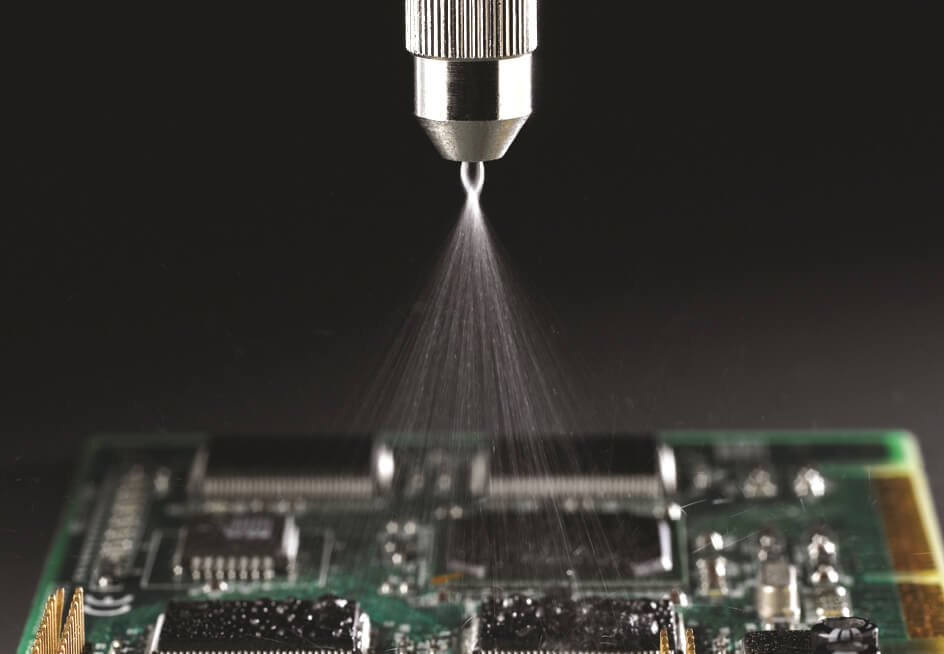 Conformal coatings are critical in protecting electronics from moisture, chemicals, dust, and temperature extremes. However, issues during the application, drying, or curing process can lead to defects that compromise performance. Here’s a comprehensive guide to troubleshooting common conformal coating problems — and how to solve them. Symptoms: Coating flakes, lifts, or peels from PCB surface. Root Causes: -Contaminated substrate (flux residues, oils, fingerprints). -Improper surface energy or roughness. -Application over uncured materials or moisture-laden surfaces. Solutions: -Clean…
 A UV radiometer is an essential tool used to measure the intensity of ultraviolet (UV) radiation, particularly in applications like: In these applications, precise UV intensity measurement ensures: Without a UV radiometer, it’s nearly impossible to verify whether the UV output is within the required parameters for consistent and reliable results. Why Calibration is Required? Calibration of a UV radiometer is critical for maintaining accurate and reliable measurements over time. Here’s why: Looking for a Reliable UV…
 In the world of precision curing technologies, the CCS 8332C UV-LED Spot Curing System stands out as a versatile, high-performance solution that leverages LED technology to deliver high power, exceptional longevity, and energy efficiency. Designed to meet the demands of industries requiring fast, reliable, and precise UV curing, the 8332C offers superior performance at a reduced operating cost, making it an essential tool in advanced manufacturing processes. Key Features of the 8332C UV-LED Spot Curing System Advantages…
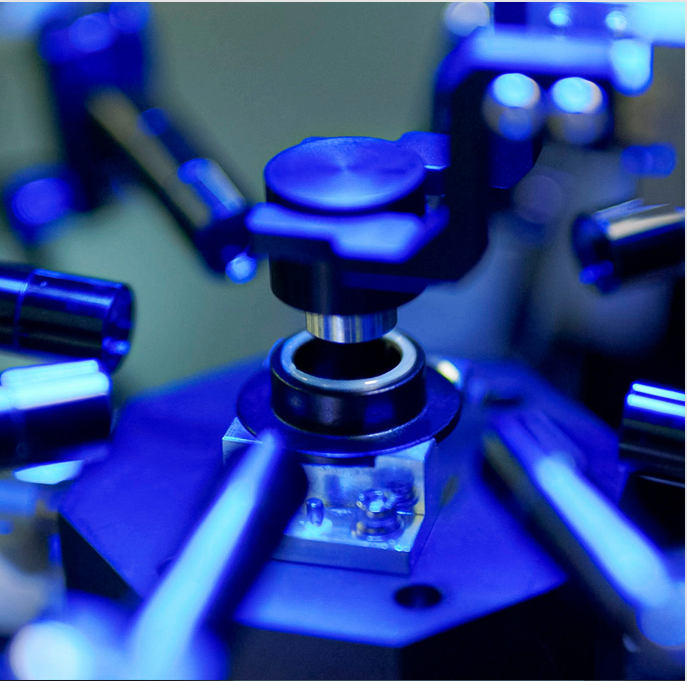 In the world of optics and photonics, precision is key. Whether you’re working with lasers, lenses, or fiber optics, active alignment is a crucial process that demands adhesives that can meet the highest standards of accuracy, strength, and reliability. This is where Flashbond UV-3720 comes in, offering an advanced solution specifically designed for active alignment applications. What is Flashbond UV-3720? Flashbond UV-3720 is a high-performance, UV-curable adhesive formulated to provide optimal performance in active alignment tasks, commonly…
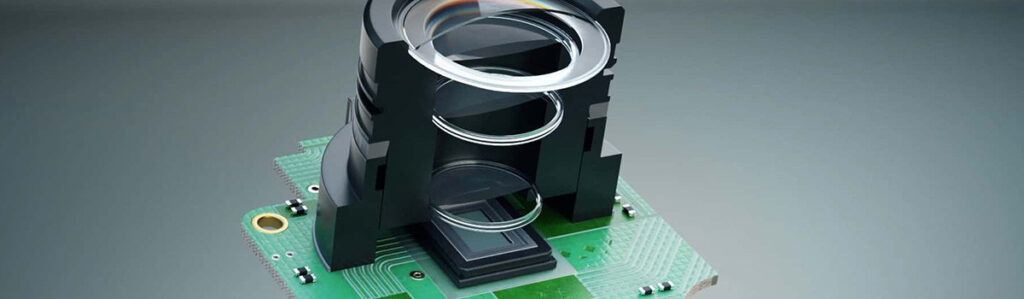 UV Delay Curing Adhesives have revolutionized industries that require strong, efficient bonding solutions. These adhesives offer several advantages over traditional bonding methods, particularly in applications where precision and time management are crucial. In this article, we will explore the various benefits of UV Delay Curing Adhesives, from increased production efficiency to enhanced bond strength and flexibility in usage. 1. Enhanced Control Over Curing Process One of the most significant benefits of UV Delay Curing Adhesives is the…
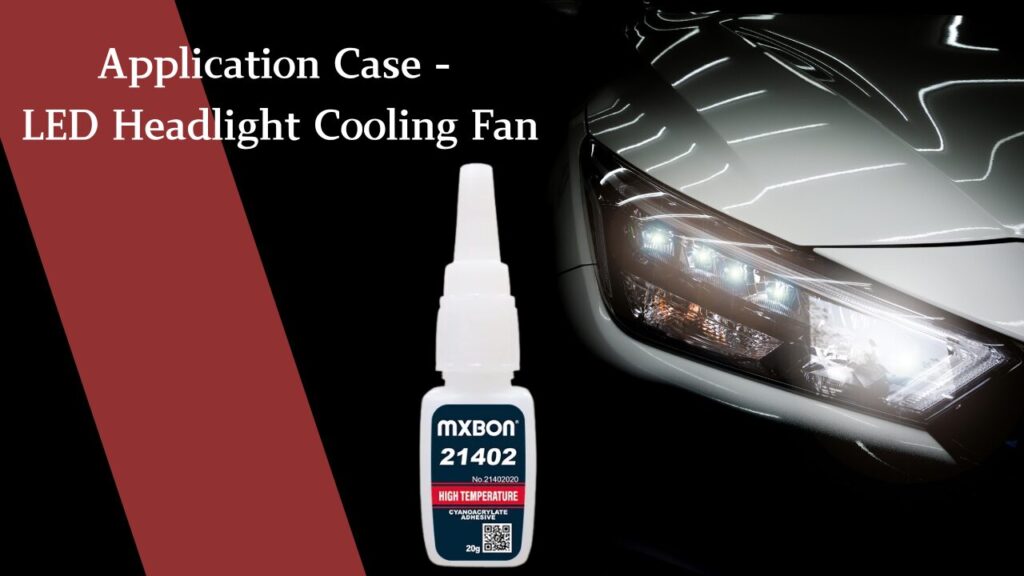 One of the standout features of MXBON Cyanoacrylate Adhesive (CA)is its exceptional ability to bond plastics and rubber, two materials that can often be tricky to glue together due to their low surface energy and varying chemical properties. MXBON Cyanoacrylate offers a reliable, fast, and durable bonding solution for these materials, making it a go-to adhesive for numerous applications in both industrial and consumer settings. Here’s a closer look at how MXBON Cyanoacrylate performs in plastic and…
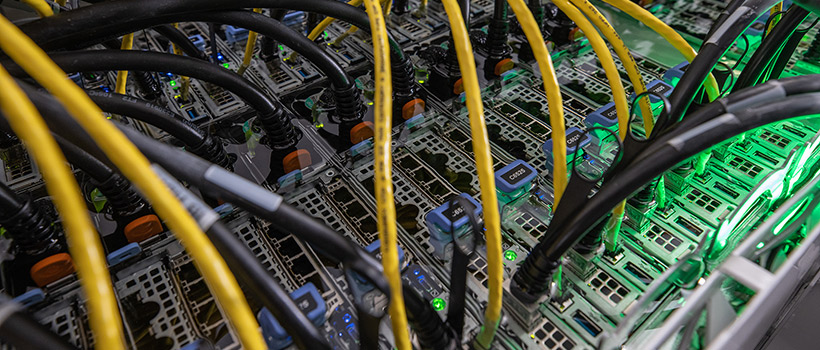 In today’s data-driven world, the demand for more powerful and efficient computing systems continues to grow. Whether it’s for high-performance computing (HPC), data centers, or personal computing setups, managing heat dissipation efficiently has become a significant challenge. Traditional air cooling systems have long been the go-to solution, but with increasing power densities and thermal loads, air cooling is beginning to show its limitations. As a result, more advanced cooling techniques, such as liquid cooling, are gaining prominence….
 As data centers, high-performance computing (HPC) systems, and advanced electronics continue to grow in power and complexity, managing heat dissipation efficiently has become one of the biggest challenges. Traditional air cooling systems, though widely used, are increasingly being replaced by more efficient solutions such as direct-to-chip and immersion cooling systems. These cooling techniques utilize specialized heat transfer fluids (HTFs) to manage heat removal. However, each cooling method requires different types of fluids that possess unique characteristics tailored…
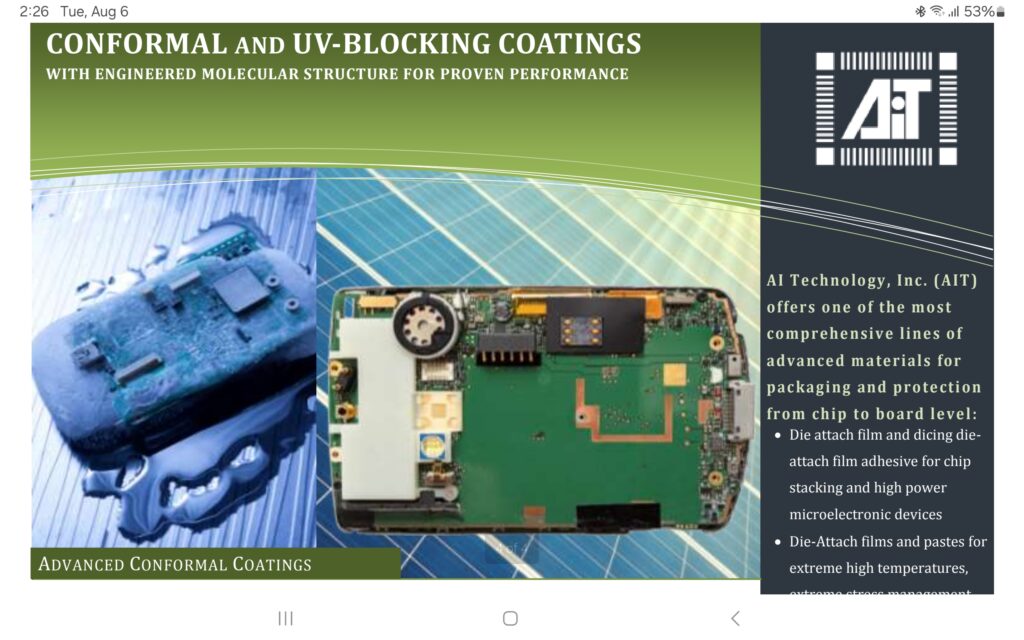 Parylene coating has long been the gold standard for providing a protective barrier in various industries, from electronics to medical devices. However, as technology advances, so does the need for more efficient, sustainable, and versatile solutions. Enter the SC-7150, a revolutionary product designed to replace traditional parylene coatings, offering enhanced performance and significant benefits across multiple applications. The Challenge of Traditional Parylene Coatings While parylene coatings are renowned for their excellent barrier properties and conformal coverage, they…
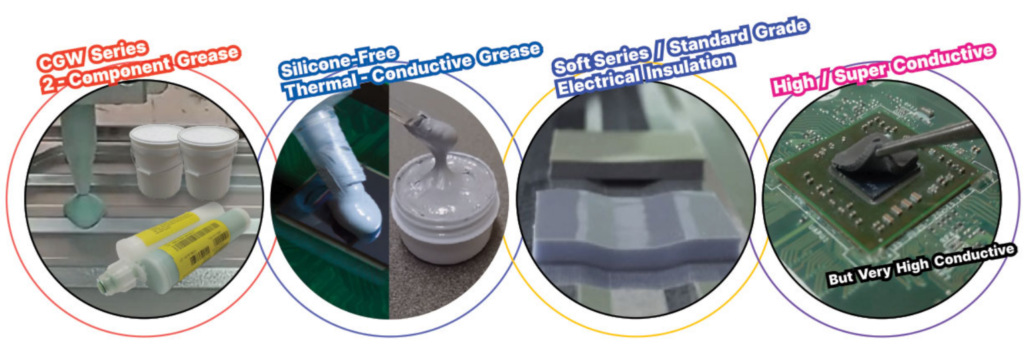 In the realm of advanced materials, Sekisui Polymatech stands out with its innovative thermal management solutions. Specializing in high-performance thermal materials, the company addresses critical needs across various industries, from electronics to automotive. This article delves into the key attributes and applications of Sekisui Polymatech’s thermal materials, highlighting their impact on modern technology and engineering. Understanding Thermal Management Thermal management is essential for the reliable operation and longevity of electronic devices and other high-performance systems. Effective thermal…
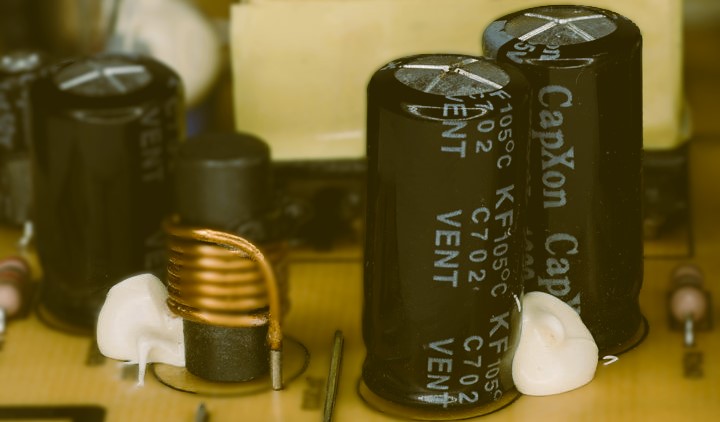 Silicone has become an indispensable material in the electronics industry, particularly for securing and protecting components on printed circuit boards (PCBs). Its unique properties make it ideal for various applications where reliability, flexibility, and durability are paramount. Let’s explore the significant role silicone plays in PCB component holding and why it is favored by engineers and manufacturers alike. 1. Adhesion and Bonding Strength: Silicone adhesives and sealants are prized for their excellent adhesion properties, forming strong bonds…
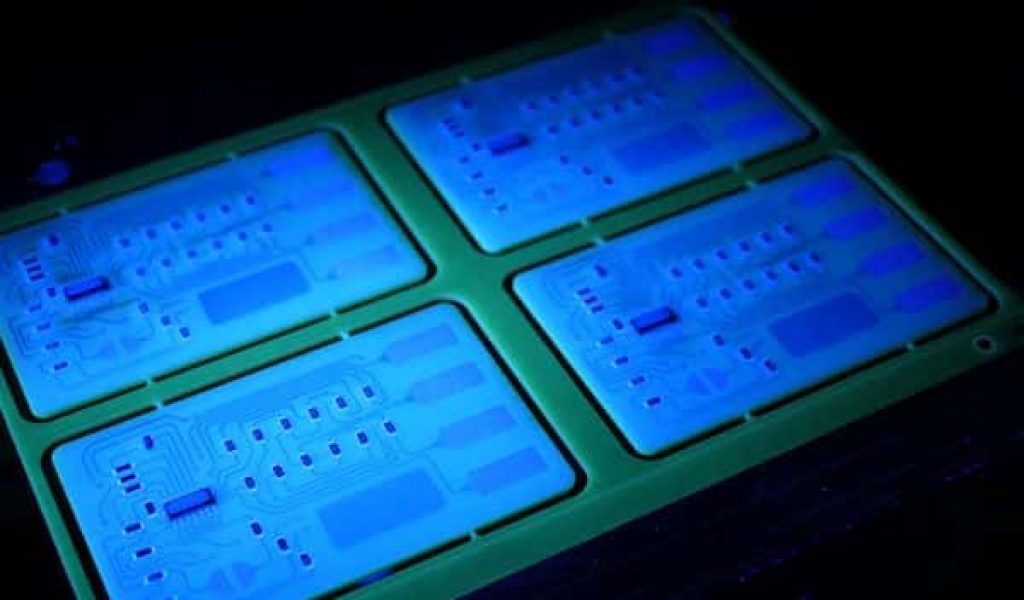 Conformal coating plays a crucial role in protecting electronic components from environmental factors such as moisture, dust, chemicals, and temperature fluctuations. Selecting the right coating material is paramount to ensure reliability and longevity of electronics. One standout choice in the realm of conformal coatings is Peters ELPEGUARD. Here’s why it stands out as a preferred option: 1. Proven Reliability: Peters ELPEGUARD has built a reputation for reliability and consistency in conformal coatings. It has been extensively tested…
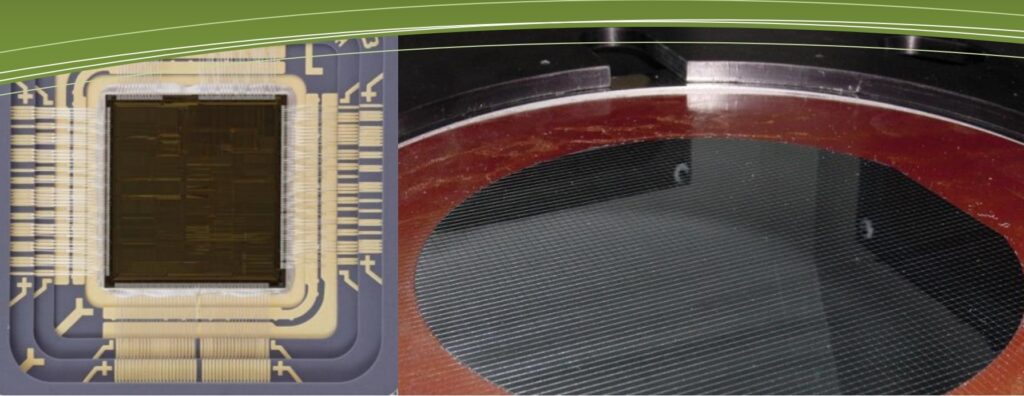 Revolutionizing Electronics: AI Technology Inc.’s Breakthrough in Die Attach Film In the rapidly evolving world of electronics, the demand for efficient, reliable, and high-performance components is ever-increasing. One crucial element that significantly impacts the performance and durability of electronic devices is die attach film (DAF). AI Technology Inc., a pioneer in adhesive technologies, is at the forefront of this revolution, offering cutting-edge solutions that redefine industry standards. The Importance of Die Attach Film Die attach film plays…
 In the world of electronics manufacturing, protecting delicate components from environmental factors is crucial. HumiSeal, a trusted name in conformal coatings, offers the UV50LV series, a cutting-edge solution designed to safeguard electronics from moisture, dust, and other contaminants. Let’s explore the features and benefits of HumiSeal UV50LV and how it can enhance the reliability and longevity of electronic devices. Superior Protection Against Environmental Hazards HumiSeal UV50LV provides superior protection against a wide range of environmental hazards. Its…
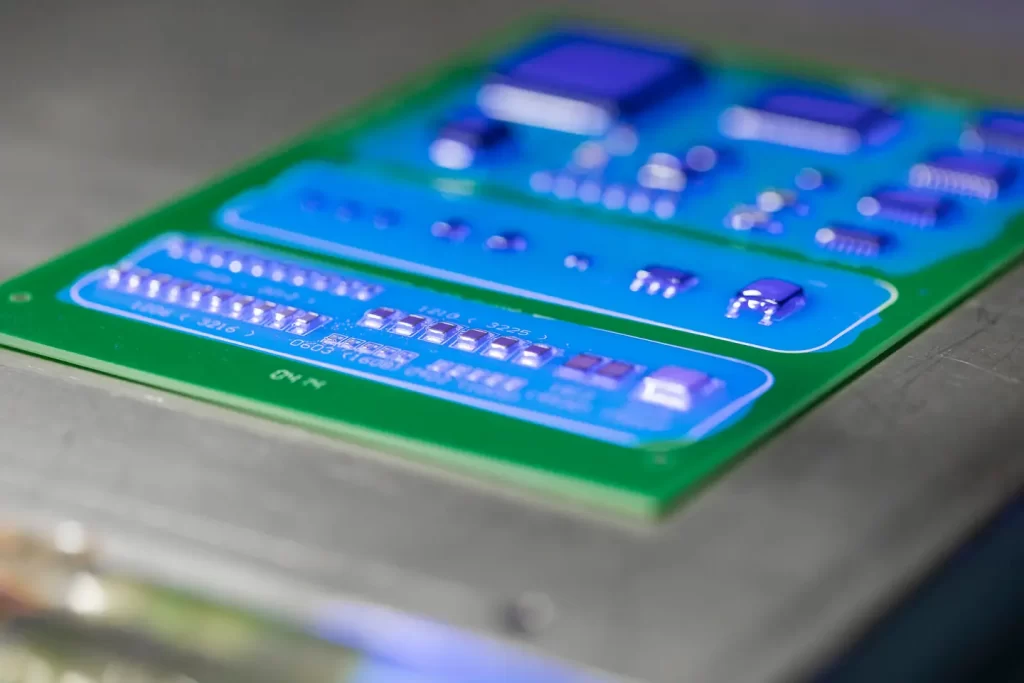 Conformal coating is a crucial process in the electronics industry, providing a protective layer that enhances the reliability and longevity of electronic components. This comprehensive guide explores the various types of conformal coatings, their application techniques, and the benefits they offer. Types of Conformal Coatings: Application Techniques: Benefits of Conformal Coating: Conclusion:Conformal coating plays a vital role in ensuring the reliability and longevity of electronic components. By understanding the different types of coatings, application techniques, and the…
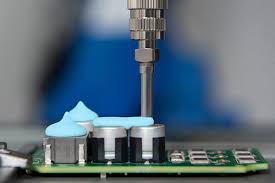 In the world of industrial manufacturing, precision and reliability are paramount. Whether you are working with adhesives, paints, or other materials, achieving the perfect blend is essential. This is where 2K mixing machines come into play. These machines are designed to precisely mix two-component (2K) materials, ensuring a consistent and high-quality end product. In this article, we will delve into the world of 2K mixing machines, exploring their functionality, applications, benefits, and more. What are 2K Mixing…
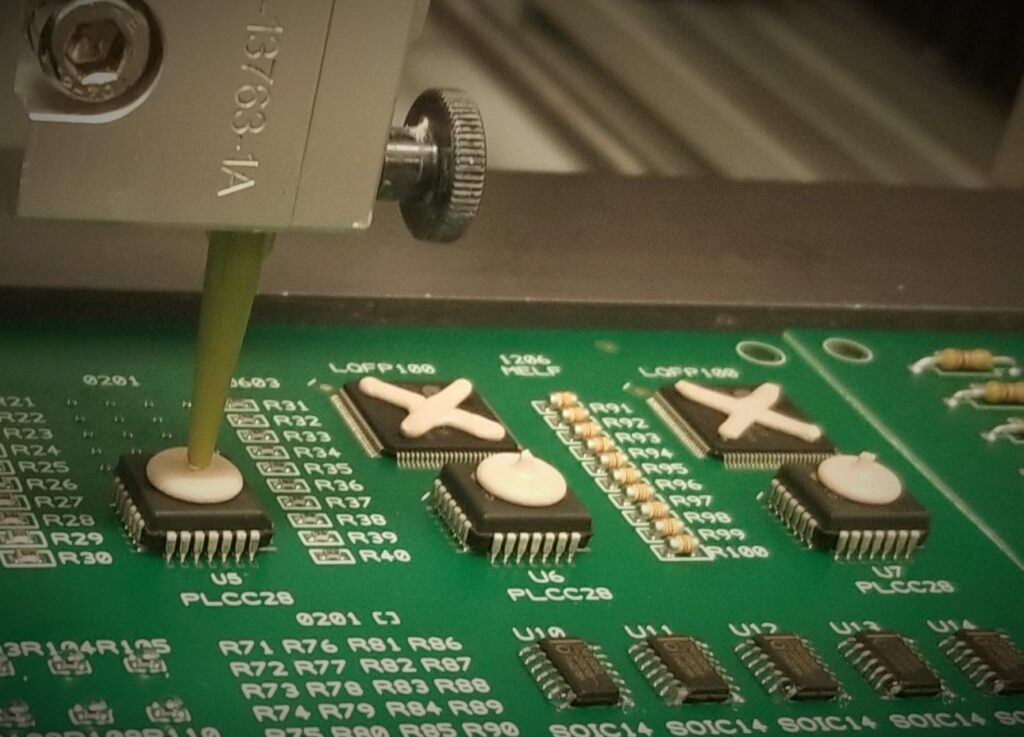 As electric vehicles (EVs) continue to gain popularity, the demand for efficient and reliable charging solutions is on the rise. One critical aspect of EV charging units and batteries is thermal management. Effective thermal management not only ensures optimal performance but also enhances safety and longevity. Thermal conductive materials play a crucial role in achieving these objectives, by efficiently dissipating heat and maintaining the temperature within safe limits. This article explores the importance of thermal conductive materials…
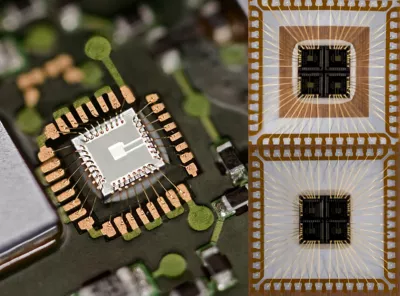 Die attach materials are critical components in semiconductor packaging, serving as the interface between the semiconductor die and the package substrate. These materials play a crucial role in ensuring the reliability, thermal performance, and electrical connectivity of the packaged semiconductor device. This article explores the importance of die attach materials in semiconductor packaging and highlights some key considerations in their selection and application. Importance of Die Attach Materials Die attach materials serve several important functions in semiconductor…
 Fiber optic technology has revolutionized communication systems, enabling high-speed data transmission over long distances. Adhesives play a crucial role in fiber optic assembly, providing mechanical strength, protection, and alignment precision. This article explores the importance of adhesives in fiber optic assembly and highlights key considerations in their selection and application. Importance of Adhesive in Fiber Optic Assembly Adhesives serve several critical functions in fiber optic assembly: Key Considerations in Adhesive Selection Several factors should be considered when…
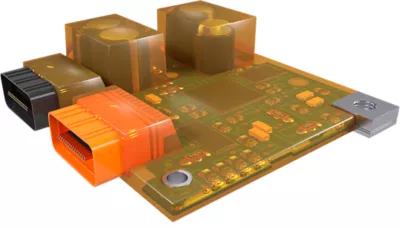 Low-pressure molding (LPM) is a versatile and efficient process used in the manufacturing industry for encapsulating and protecting electronic components, sensors, and other delicate parts. This article explores the basics of low-pressure molding, its advantages, applications, and key considerations. What is Low-Pressure Molding? Low-pressure molding is a process that uses thermoplastic materials to encapsulate parts at low pressure and temperature. The process involves placing the part in a mold cavity, injecting molten thermoplastic material around the part,…